
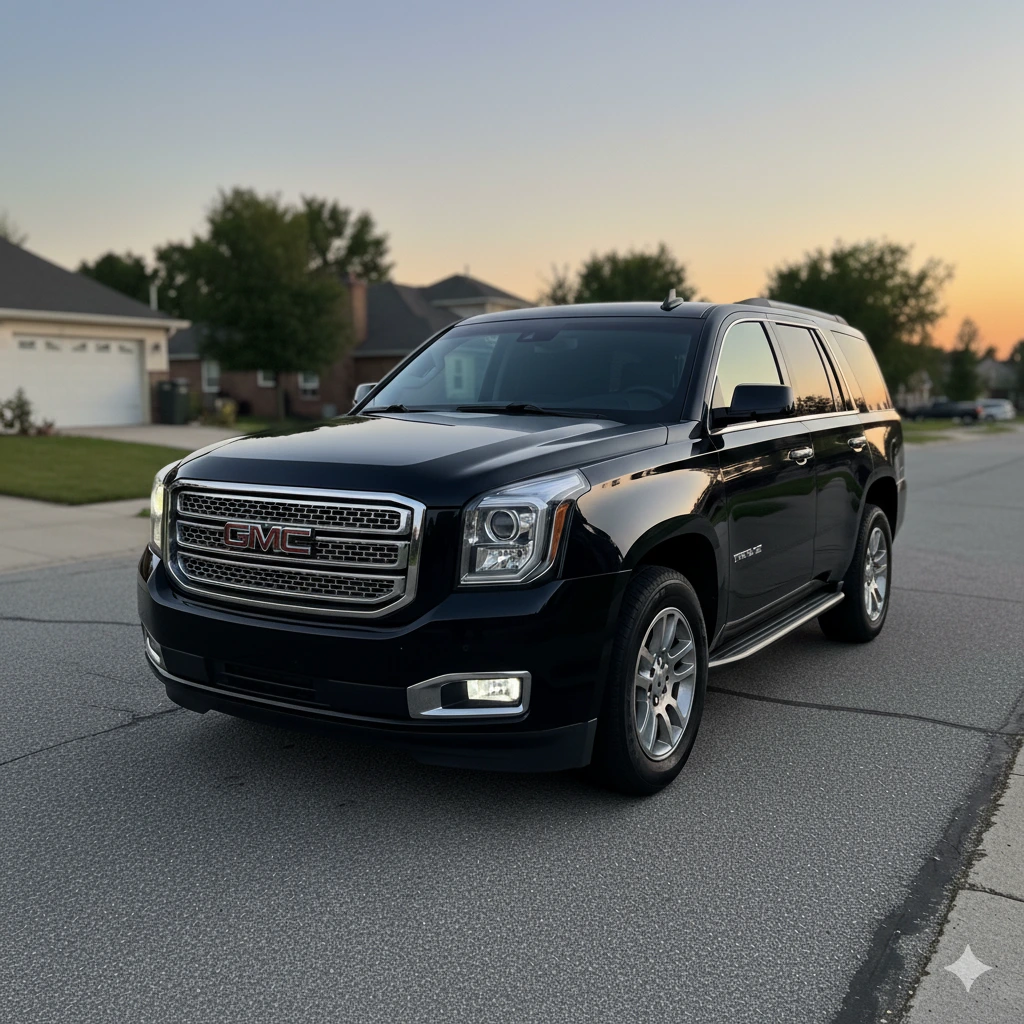

This page demonstrates how to craft an effective prompt to an AI language model (LLM) to get detailed, actionable instructions for a real-world task. We'll use the example of replacing headlight bulbs in a 2016 GMC Yukon SLT SUV.
The Challenge
Many car owners want to perform simple maintenance tasks like replacing headlight bulbs but don't know where to start. Instead of paying a mechanic or searching through multiple websites, you can use an LLM to generate comprehensive, step-by-step instructions tailored to your specific vehicle.
The key is knowing how to ask the right questions. A vague prompt gets vague results. A well-structured prompt gets professional-grade instructions.
The Prompt Strategy
Notice how this prompt is structured:
- Specific vehicle details – Year, make, model, trim level
- Clear task definition – Exactly what needs to be done
- Format request – How you want the information organized
- Safety considerations – Acknowledging this involves working on a vehicle
- Context – Skill level or what tools you might have
The Prompt
PROMPT
I need to replace the headlight bulbs in my 2016 GMC Yukon SLT SUV. I'm a beginner with car maintenance but I'm comfortable following detailed instructions. Please provide:
- A complete list of tools and materials I'll need
- Safety precautions before starting
- Step-by-step instructions for replacing both the driver-side and passenger-side headlight bulbs
- Tips for avoiding common mistakes
- When to stop and call a professional
Format this as a checklist I can follow while working on my vehicle. Use clear, simple language without unnecessary jargon.
Why This Prompt Works
1. Specificity
The prompt includes the exact year (2016), make (GMC), model (Yukon), and trim (SLT). This helps the LLM provide accurate information for your exact vehicle rather than generic advice.
2. Clear Structure
By requesting specific sections (tools, safety, steps, tips, warnings), you get organized information you can actually use, not a wall of text.
3. Skill Level Acknowledgment
Telling the LLM you're a beginner means it will explain things more thoroughly and avoid assumptions about what you know.
4. Format Request
Asking for a "checklist" format means you get information optimized for hands-on use rather than just reading.
5. Safety Focus
Including requests for safety precautions and "when to call a professional" ensures you get guidance on limitations and risks.
What the LLM Response Looks Like
Here's what you can expect back:
LLM RESPONSE (EXCERPT)
Tools and Materials Needed
- Socket wrench set (or screwdriver set, depending on your Yukon's engine cover)
- Replacement headlight bulbs (H11 for 2016 Yukon)
- Flashlight or headlamp
- Work gloves (optional but recommended)
- Clean cloth or paper towels
Safety Precautions
- Park on level ground away from traffic
- Turn off the engine and let it cool for 5 minutes
- Turn off the headlights
- Open the hood and locate the engine cover above the headlight assembly
- Do not touch the bulb with bare hands (oils from skin can damage it)
Step-by-Step Instructions (Driver Side)
- Open the hood and locate the headlight assembly behind the bumper on the driver's side
- Remove the engine cover above the headlight by unbolting 2-3 fasteners with your socket wrench
- Locate the bulb holder (a large plastic cylinder) behind the headlight lens
- Twist the bulb holder counterclockwise until it releases
- Pull the old bulb straight out from the holder
- Insert the new H11 bulb into the holder (push straight in until it clicks)
- Reinstall the bulb holder by twisting clockwise until snug
- Reinstall the engine cover and secure all fasteners
- Test the headlight before closing the hood
Common Mistakes to Avoid
- Touching the new bulb with bare hands (use the cloth)
- Over-tightening the fasteners (hand-tight plus a quarter turn is sufficient)
- Forgetting to test the light before reassembling everything
- Forcing the bulb holder if it doesn't turn easily (stop and reassess)
When to Call a Professional
- If the bulb holder is cracked or damaged
- If the headlight lens is foggy or cracked
- If the bulb holder won't twist free after gentle attempts
- If the replacement bulb doesn't produce light after installation
How to Improve Your Prompt
PRO TIPS
- Include your comfort level. This helps the LLM calibrate the complexity of explanations.
- Ask for alternatives. Add "What if I don't have a socket wrench?" to get backup options.
- Request warnings. Specifically ask for things that could damage your vehicle or injure you.
- Ask for time estimates. Request how long the job should take so you can plan accordingly.
- Request links to resources. Ask for part numbers or where to source materials.
- Be specific about your tools. Tell it what tools you already have available.
Advanced Prompt Techniques
Add a Follow-Up for Troubleshooting
Follow-up prompt: "I replaced the bulbs but the driver's side headlight still isn't working. The bulb is new and properly installed. What are the other possible causes?"
Request Decision Points
Enhanced prompt: "Include decision points in your instructions where I need to assess the condition of the headlight assembly and decide whether to proceed or call a professional."
Ask for Cost Breakdown
Enhanced prompt: "Include estimated costs for parts and labor if I had taken it to a mechanic, so I can see how much I'm saving by doing this myself."
The Real Value
This approach does three important things:
- Empowers you. You go from feeling helpless to having the exact information you need to complete a task.
- Saves money. A simple headlight replacement costs $100-200 at a dealer; you just did it for $20 in parts.
- Builds confidence. Successfully completing this task makes the next one easier. Soon you're tackling more complex maintenance yourself.
Key Takeaway
The better your prompt, the better your result. Effective prompting isn't about magic words—it's about being specific, clear, and thoughtful about what you need. Whether you're asking for car maintenance instructions, coding help, writing assistance, or anything else, these principles apply:
- Provide context and specific details
- Specify your skill level
- Request a particular format or structure
- Ask for safety considerations or potential pitfalls
- Include follow-up questions in mind for refinement
Want to learn more about crafting effective prompts for AI? Check out Practical AI for Humans for more real-world examples and prompt engineering techniques.