
The Challenge
You're leading an enterprise technology implementation—maybe a new ERP system, cloud migration, or digital transformation initiative. The technical roadmap is solid, but the people side? That's where projects derail. You know you need to apply change management best practices, but keeping track of multiple frameworks—Kotter's 8 Steps, ADKAR, Prosci methodology, Gartner's 12 Principles—while customizing them to your specific situation feels overwhelming.
Here's the problem: Change management expertise usually sits in books, PDFs, and scattered notes. When you're in the middle of planning stakeholder communications or designing training programs, you don't have time to flip through multiple resources to figure out which framework applies best to your current challenge.
Why This Matters
Research consistently shows that the majority of change initiatives fail not because of technical issues, but because of people-related factors. Yet most organizations spend 90% of their effort on the technical solution and 10% on the human element. Having instant access to expert change management guidance—customized to your organization's context—can be the difference between a smooth rollout and a costly failure.
The beauty of a custom GPT is that it becomes your personal change management consultant. Instead of generic AI responses, you get advice grounded in proven methodologies and tailored to your specific implementation scenario.
Building Your Change Management GPT
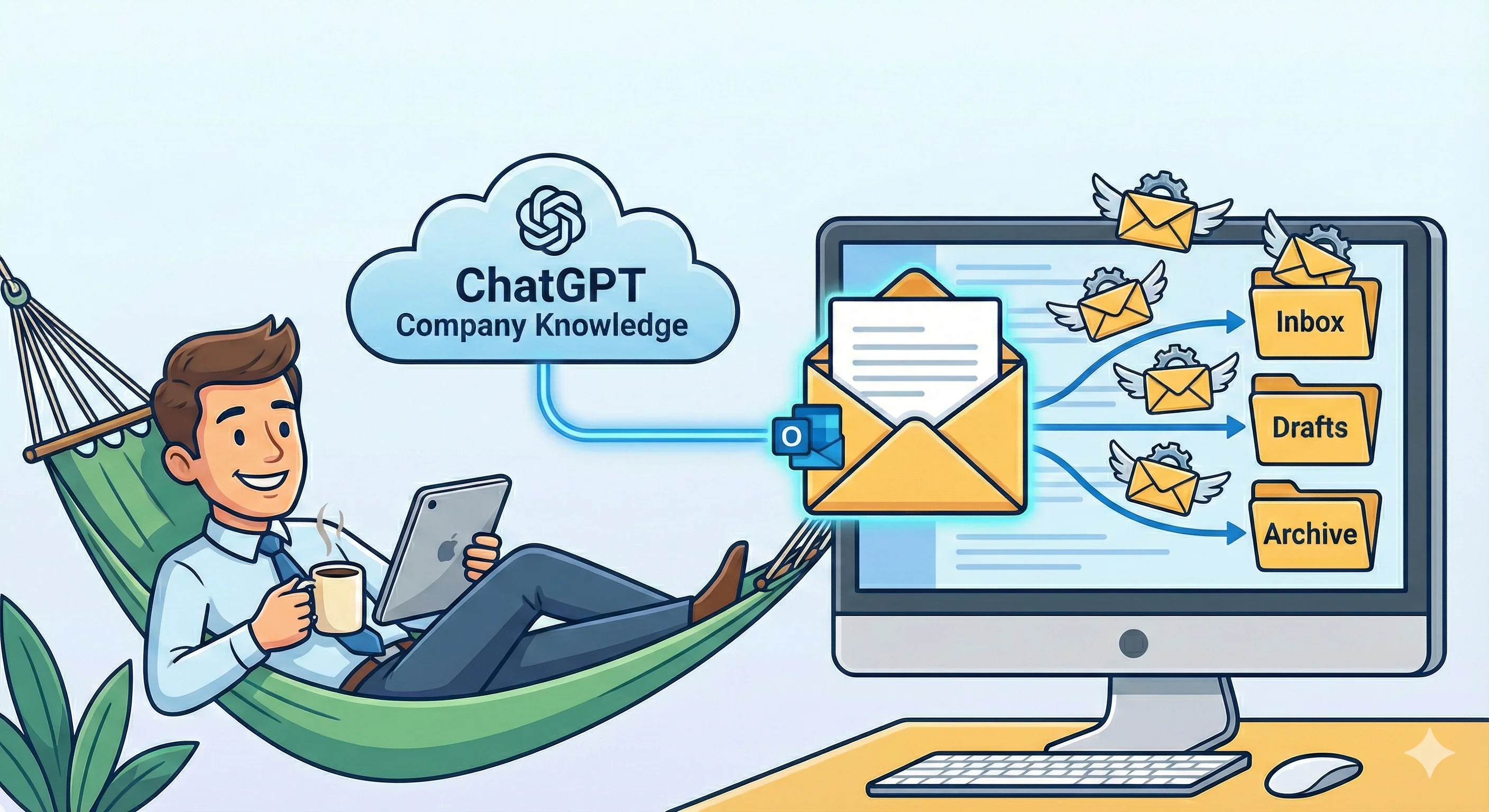
A custom GPT in ChatGPT allows you to create a specialized AI assistant with its own knowledge base and instructions. Think of it as training a consultant who has read all your change management resources and understands your organization's approach to managing change.
The key is loading your GPT's knowledge base with authoritative sources. For change management, you might include:
- PDFs of John Kotter's change leadership frameworks
- Documentation on the ADKAR model (Awareness, Desire, Knowledge, Ability, Reinforcement)
- Prosci methodology guides and templates
- Gartner's 12 Principles of Organizational Change white papers
- Your organization's past change management plans and lessons learned
- Industry-specific case studies relevant to your sector
Once these documents are uploaded, your custom GPT can synthesize insights across multiple frameworks and apply them to your specific questions.
Setting Up Your GPT
SETUP STEPS
- In ChatGPT, click "Explore GPTs" then "Create"
- Name it something specific like "Enterprise Change Management Advisor"
- Write instructions: "You are a change management expert specializing in enterprise technology implementations. Draw on Kotter, ADKAR, Prosci, and Gartner frameworks to provide practical, actionable guidance."
- Upload your knowledge files (PDFs, Word docs, or text files)
- Add conversation starters like "Help me create a stakeholder communication plan" or "What resistance should I anticipate?"
- Test it with a real scenario from your organization
- Save as "Only me" for personal use or share with your team
The instructions are crucial—they tell the GPT how to use the knowledge base. Be specific about your context (enterprise tech implementations) and the frameworks you want emphasized. This prevents generic advice and ensures the GPT pulls from your curated sources.
Using It for Real Planning
Let's say you're rolling out a new cloud-based financial system across 15 global offices. Here's how your custom GPT becomes invaluable:
Scenario: You ask, "I'm implementing a new ERP system. We have strong executive support but middle management seems resistant. Using ADKAR and Kotter's frameworks, what should my first three actions be?"
Your custom GPT doesn't just regurgitate theory. It synthesizes the uploaded frameworks and responds with practical steps: creating coalition-building workshops for middle managers (Kotter's Step 2), conducting ADKAR assessments to understand where the resistance sits, and designing targeted communications that address the specific "Desire" gap in the ADKAR model.
What makes this powerful is the ability to ask follow-up questions. "How would Prosci approach stakeholder analysis for this situation?" or "What does Gartner recommend about timing communications for global rollouts?" The GPT references the specific methodologies in your knowledge base and applies them to your context.
You can even upload your draft communication plans or training schedules and ask, "Review this using Kotter's 8 Steps. What am I missing?" The GPT will identify gaps—maybe you've skipped creating urgency (Step 1) or haven't planned for short-term wins (Step 6).
Making It Work for Your Team
The real power comes when your entire change management team uses the same custom GPT. Everyone gets consistent advice grounded in the same frameworks. New team members can quickly get up to speed by asking questions about your organization's approach. And because the GPT learns from the documents you've uploaded, it can reference past projects and lessons learned.
You can create different versions for different audiences too. A "Leadership Change Advisor" GPT might focus on high-level strategy and governance (emphasizing Gartner's principles), while a "Change Team Practitioner" GPT digs into the tactical details of ADKAR assessments and Prosci change management plans.
The Bottom Line
KEY TAKEAWAY
Building a custom GPT with your change management knowledge base turns ChatGPT into a specialized consultant who knows your frameworks inside and out. Instead of searching through multiple documents when planning your next enterprise implementation, you get instant, synthesized guidance from Kotter, ADKAR, Prosci, and Gartner—all in one conversation. The setup takes 20 minutes, but it transforms how you approach every change initiative after that.
Want to learn more? Check out Practical AI for Humans for more practical guides on using AI effectively.