
The Challenge
Performance review season hits, and suddenly you're staring at a stack of self-assessments and manager responses. Each one needs careful reading, pattern recognition, and synthesis into actionable coaching insights. For a team of ten, that's manageable. For fifty? You're looking at days of work—and fatigue sets in fast.
Here's the thing: the analysis you do matters. Missing a sentiment mismatch between an employee and their manager can mean overlooking a flight risk. Skipping past vague goal-setting means another cycle of the same ambiguous objectives. But human attention has limits.
Why AI Changes This
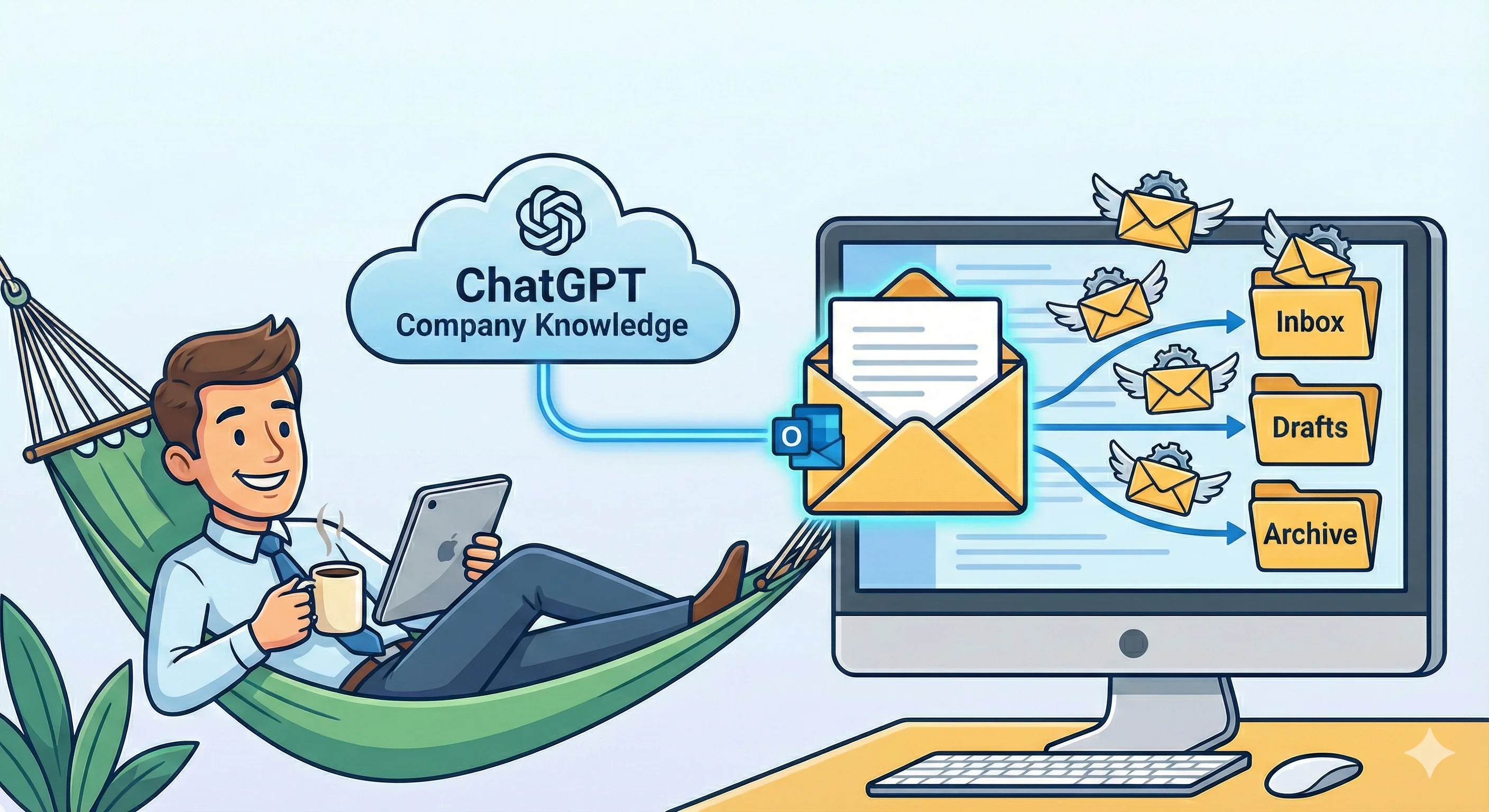
AI doesn't replace your judgment as a leader—but it can handle the grunt work of parsing, comparing, and surfacing patterns across reviews. Think of it as a research assistant that reads every word, never gets tired, and organizes findings into a consistent format you can actually use.
The key is giving AI the right structure. A vague prompt like "analyze this review" gets you vague output. But when you tell AI exactly what to look for—sentiment signals, goal alignment, manager tone, development gaps—you get analysis that rivals what a trained HR consultant would produce.
How to Structure Your Prompt
The secret to effective review analysis is breaking the task into distinct evaluation layers. You're not asking AI to do one thing; you're asking it to perform six or seven related analyses and then synthesize the findings.
KEY PROMPT COMPONENTS
- Sentiment Analysis — Have AI classify both employee and manager tone as Positive, Neutral, or Negative, with supporting quotes
- Goal Evaluation — Check each goal against a framework like FAST (Frequent, Ambitious, Specific, Transparent) and mark achievement status
- Perception Comparison — Flag where employee self-assessment diverges from manager feedback
- Development Signals — Extract aspirations, workload concerns, and career growth indicators
- Manager Quality Check — Evaluate whether manager feedback is specific, actionable, and growth-oriented
- Synthesis — Produce an alignment summary (High/Moderate/Low) with coaching recommendations
Each layer builds on the previous ones. Sentiment informs how you interpret goal discussions. Goal clarity affects whether development suggestions make sense. Manager feedback quality determines if alignment issues are communication problems or performance problems.
Handling Multiple Reviews
For batch processing, your prompt should include parsing instructions that tell AI exactly how to identify where one review ends and another begins. For PDFs containing multiple reviews, this might be a header pattern like "Year-End Performance Review Summary: [Employee Name]." You can also specify that each review contains both an employee self-assessment section and a manager response section, so AI knows what to look for.
Then request structured output: one markdown report per employee, saved with a consistent naming convention. This turns a week of analysis into an afternoon of review.
What to Watch For
The best coaching insights often come from the spaces between what's said. AI excels at flagging these patterns when you tell it what to look for:
- Rating misalignment — When an employee rates themselves a 5 and the manager gives a 3, that's a conversation waiting to happen
- "Too much on my plate" — This phrase in workload sections is a burnout early warning
- Vague manager feedback — "Keep up the good work" isn't coaching; it's a placeholder
- Aspiration-role mismatch — An employee gunning for leadership when there's no path signals retention risk
By explicitly instructing AI to surface these patterns, you transform reviews from administrative checkboxes into genuine development tools.
The Bottom Line
KEY TAKEAWAY
AI doesn't make performance reviews meaningful—your prompt structure does. By breaking analysis into sentiment, goals, alignment, and development layers, and by specifying exactly what patterns to flag, you get coaching-ready insights that would take hours to produce manually. The time you save on parsing is time you can spend on the conversations that actually matter.
Get Started Now
Ready to try this yourself? I've put together a sample prompt you can copy, paste, and customize for your own performance review analysis. It includes all the evaluation layers covered above—sentiment analysis, goal tracking, alignment comparison, and coaching recommendations—structured to work with PDF review documents.
Want to learn more? Check out Practical AI for Humans for more practical guides on using AI effectively.